
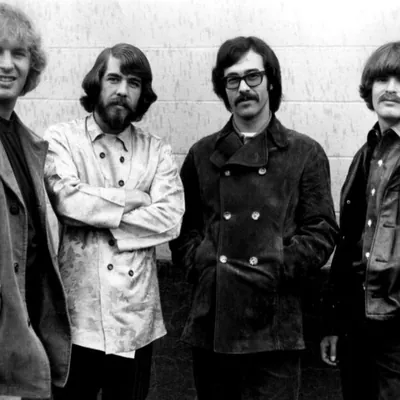
Photo: Fantasy Records, Public domain, via Wikimedia Commons.
Creedence Clearwater Revival
Creedence Clearwater Revival came from El Cerrito, California, but you would never guess it from the music. John Fogerty wrote and sang about bayous, riverboats, and back roads as if he had lived them, and the band backed him with a tight, no-frills sound that became the backbone of classic rock. In a remarkably short run they turned out "Proud Mary," "Bad Moon Rising," "Green River," "Down on the Corner," and "Fortunate Son," and those songs have never really gone away.
Start here
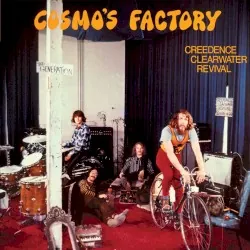
Cosmo’s Factory (1970). It captures the band at their peak, with "Travelin' Band," "Who'll Stop the Rain," "Up Around the Bend," "Run Through the Jungle," and "Lookin' Out My Back Door" all on one record. The eleven-minute "I Heard It Through the Grapevine" shows how much they could stretch out when they felt like it.
Biography
Creedence Clearwater Revival (CCR), or simply Creedence, was an American rock band formed in El Cerrito, California, in 1968. The band consisted of lead vocalist, lead guitarist, and primary songwriter John Fogerty; his brother, rhythm guitarist Tom Fogerty; bassist Stu Cook; and drummer Doug Clifford. These members had played together since 1959, first as the Blue Velvets and later as the Golliwogs, before settling on Creedence Clearwater Revival in 1968. The band's most prolific and successful period, between 1969 and 1971, produced 14 consecutive top-10 singles (many of which were double A-sides) and five consecutive top-10 albums in the United States, two of which—Green River (1969) and Cosmo's Factory (1970)—topped the Billboard 200 chart. The band performed at the 1969 Woodstock festival in upstate New York and was the first major act signed to appear there.
CCR disbanded acrimoniously in 1972 after four years of chart-topping success. Tom had quit the band at the end of 1970 and John was at odds with the remaining members over matters of business and artistic control, all of which resulted in lawsuits among the former bandmates after the group's breakup.
From Wikipedia, licensed under CC BY-SA. Read the full article.
Studio albums
Discography
Official studio albums and EPs.
- 2018The Studio Albums SamplerEP
- 2009Songs From Green RiverEP
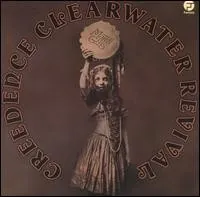
- 1972Mardi GrasAlbum
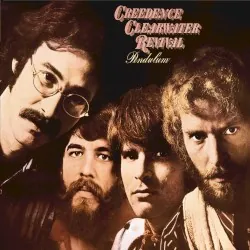
- 1970PendulumAlbum
- 1970Cosmo’s FactoryAlbum
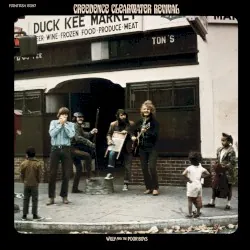
- 1969Willy and the Poor BoysAlbum
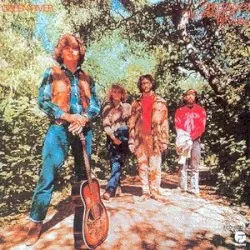
- 1969Green RiverAlbum
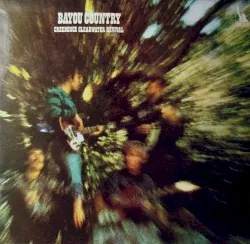
- 1969Bayou CountryAlbum
- 1969Down on the CornerEP
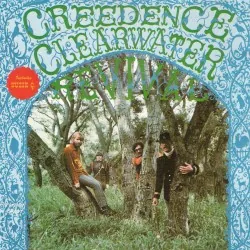
- 1968Creedence Clearwater RevivalAlbum
Latest news
No news stories yet.