
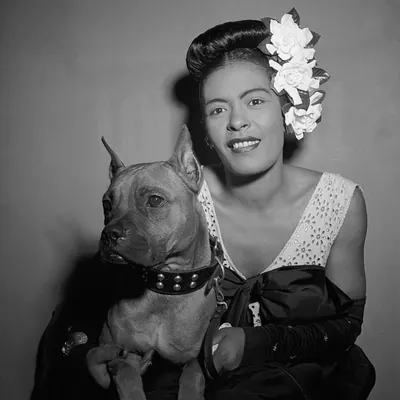
Photo: William P. Gottlieb, Public domain, via Wikimedia Commons.
Billie Holiday grew up in Philadelphia and Baltimore and became one of the great singers in jazz, not through vocal power but through phrasing — she sang behind the beat, bending melody until a lyric sounded like something she'd lived. She recorded "Strange Fruit," the anti-lynching song, in 1939, at real risk to her career, and her own compositions include "God Bless the Child" and "Fine and Mellow." Nearly every jazz and blues singer who came after her, from Frank Sinatra to Nina Simone, learned something from her records.
Start here
Lady in Satin (1958). Her last major album, recorded with Ray Ellis's strings a year before she died. Her voice is worn but the feeling is enormous, especially on "I'm a Fool to Want You" and "You Don't Know What Love Is."
Biography
Billie Holiday (born Eleanora Fagan; April 7, 1915 – July 17, 1959) was an American jazz and swing music singer. Nicknamed "Lady Day" by her friend and music partner, Lester Young, Holiday made significant contributions to jazz music and pop singing. Her vocal style, strongly influenced by jazz instrumentalists, inspired a new way of manipulating phrasing and tempo. Holiday was known for her vocal delivery and improvisational skills.
After a turbulent childhood, Holiday began singing in nightclubs in Harlem where she was heard by producer John Hammond, who liked her voice. Holiday signed a recording contract with Brunswick in 1935. Her collaboration with Teddy Wilson produced the hit "What a Little Moonlight Can Do", which became a jazz standard. Throughout the 1930s and 1940s, Holiday had mainstream success on labels such as Columbia and Decca. However, by the late 1940s, she was beset with legal troubles and drug abuse. After a short prison sentence, Holiday performed a sold-out concert at Carnegie Hall. She was a successful concert performer throughout the 1950s, with two further sold-out shows at Carnegie Hall.
From Wikipedia, licensed under CC BY-SA. Read the full article.
Studio albums
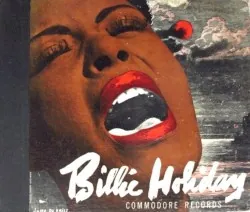 Billie Holiday 1947
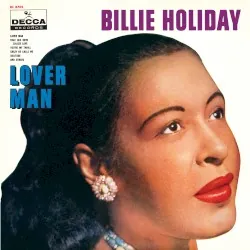 Lover Man 1951
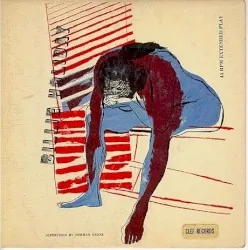 Billie Holiday Sings 1952
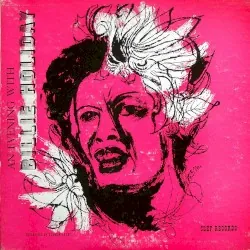 An Evening With Billie Holiday 1953
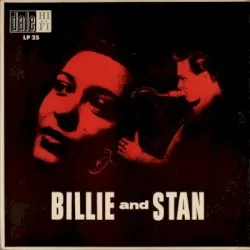 Billie and Stan 1954
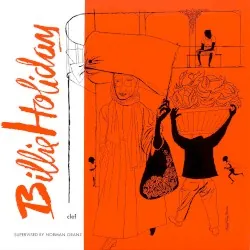 Billie Holiday 1954
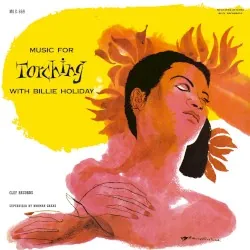 Music for Torching 1955
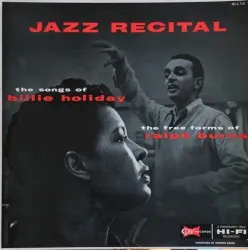 Jazz Recital 1956
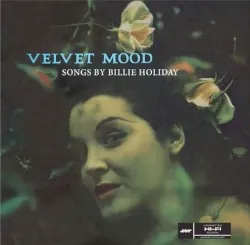 Velvet Mood 1956
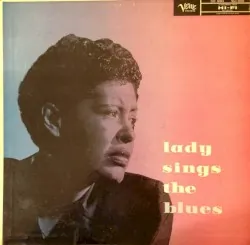 Lady Sings the Blues 1956
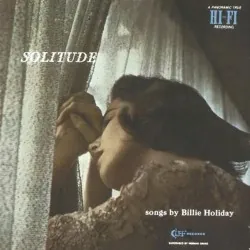 Solitude 1956
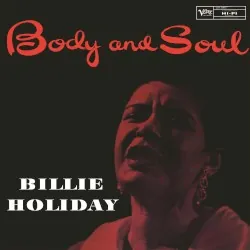 Body and Soul 1957
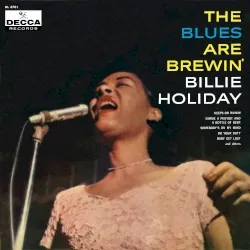 The Blues Are Brewin’ 1958
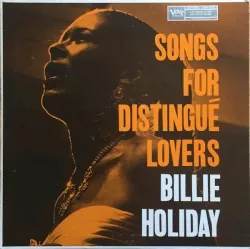 Songs for Distingué Lovers 1958
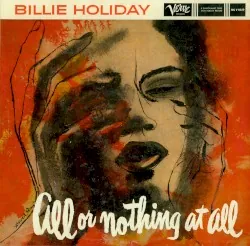 All or Nothing at All 1958
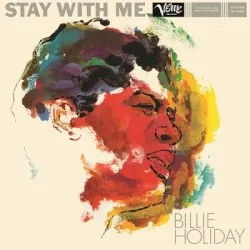 Stay With Me 1958
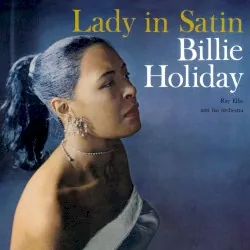 Lady in Satin 1958
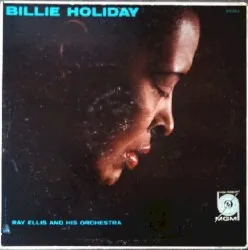 Last Recording 1959
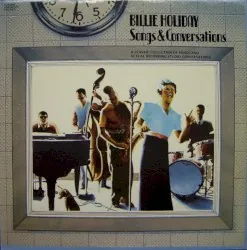 Songs & Conversations 1973
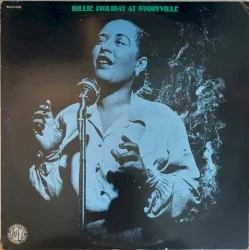 Billie Holiday at Storyville 1976
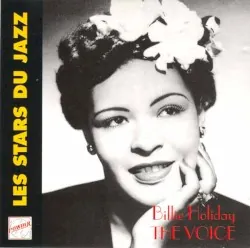 The voice 1992
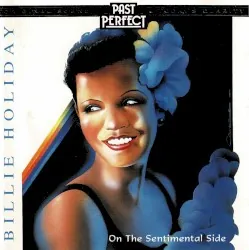 On The Sentimental Side 1995
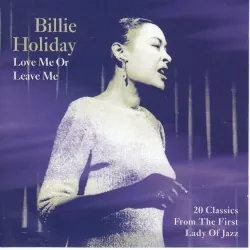 Love Me or Leave Me 1995Billie Holiday 1998
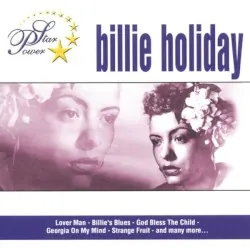 Billie Holiday: Star Power 2001
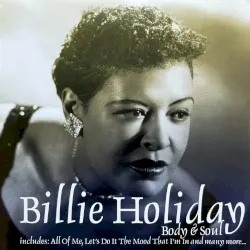 Body & Soul 2003
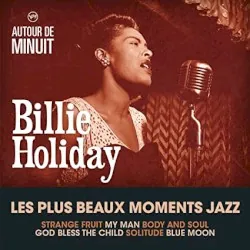 Les Plus Beaux Moments Jazz 2003You Go to My Head / Blue Moon / Tenderly 2003
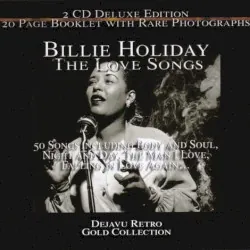 The Love Songs 2004Romance in the Dark, Vol. 1 2005The Man I Love 2007
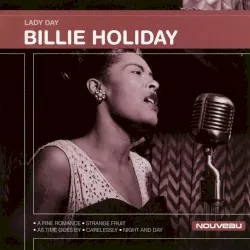 Lady Day 2007All Of Me (The Columbia Singles 1940 - 1941) 2015
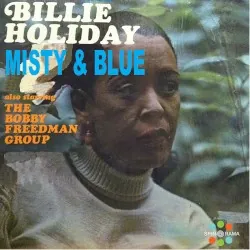 Misty & Blue 2023
Discography
Official studio albums and EPs.
- 2023Misty & BlueAlbum
- 2015All Of Me (The Columbia Singles 1940 - 1941)Album
- 2007The Man I LoveAlbum
- 2007Lady DayAlbum
- 2005Romance in the Dark, Vol. 1Album
- 2004The Love SongsAlbum
- 2003You Go to My Head / Blue Moon / TenderlyAlbum
- 2003Body & SoulAlbum
- 2003Les Plus Beaux Moments JazzAlbum
- 2001Billie Holiday: Star PowerAlbum
- 1998Billie HolidayAlbum
- 1995Love Me or Leave MeAlbum
- 1995On The Sentimental SideAlbum
- 1992The voiceAlbum
- 1976Billie Holiday at StoryvilleAlbum
- 1973Songs & ConversationsAlbum
- 1959Last RecordingAlbum
- 1958Lady in SatinAlbum
- 1958Songs for Distingué LoversAlbum
- 1958All or Nothing at AllAlbum
- 1958Stay With MeAlbum
- 1958The Blues Are Brewin’Album
- 1957Body and SoulAlbum
- 1956Velvet MoodAlbum
- 1956Lady Sings the BluesAlbum
- 1956SolitudeAlbum
- 1956Jazz RecitalAlbum
- 1955Music for TorchingAlbum
- 1954Billie HolidayAlbum
- 1954Billie and StanAlbum
- 1953An Evening With Billie HolidayAlbum
- 1952Billie Holiday SingsAlbum
- 1951Lover ManAlbum
- 1947Billie HolidayAlbum
Latest news
No news stories yet.