

Photo: How We Get To Next, CC BY 3.0, via Wikimedia Commons.
Brian Eno
Brian Eno grew up in Woodbridge, Suffolk, and first made his name as the synthesiser player in Roxy Music before going solo in 1973. His early solo records like "Here Come the Warm Jets" and "Taking Tiger Mountain (by Strategy)" bent rock into strange new shapes, and by the end of the decade he had essentially invented ambient music, a genre he went on to define. Along the way he became one of the most sought-after producers in music, shaping landmark albums by David Bowie, Talking Heads, and U2.
Start here
Another Green World (1975). It sits right at the point where his art-rock songs gave way to instrumental soundscapes, so you get both sides of him on one record. "St. Elmo's Fire" and "I'll Come Running" are among his best songs, and the title track is one of his most recognisable pieces.
Biography
Brian Eno ( EE-no; born Brian Peter George Eno, 15 May 1948) is an English musician, record producer and artist. He is known for his pioneering contributions to ambient, electronic and generative music, and for producing, recording, and writing works in rock and pop music. He describes himself as a "non-musician" uninterested in virtuosity, and advocates for using the studio as a compositional tool. He has been described as one of popular music's most influential and innovative figures.
Eno was born in Melton, Suffolk, and studied at Ipswich School of Art and the Winchester School of Art. He joined the glam rock band Roxy Music in 1971, contributing to their first two albums, and left in 1973. In 1974, Eno released his first solo albums, Here Come the Warm Jets and Taking Tiger Mountain (By Strategy). His third, Another Green World (1975), combined rock with minimal instrumental tracks. Eno coined the term "ambient music" to describe music he conceived to be "as ignorable as possible", and released a string of albums in the genre, including Ambient 1: Music for Airports (1979).
From Wikipedia, licensed under CC BY-SA. Read the full article.
Studio albums
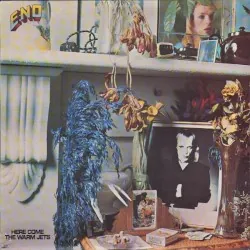 Here Come the Warm Jets 1974
 Taking Tiger Mountain (by Strategy) 1974
 Another Green World 1975
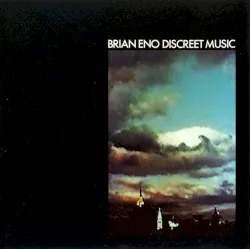 Discreet Music 1975
 Cluster & Eno 1977
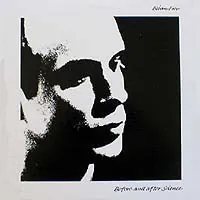 Before and After Science 1977
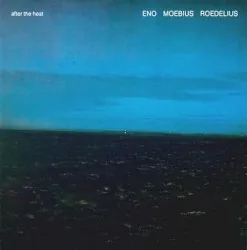 After the Heat 1978
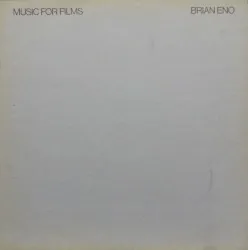 Music for Films 1978
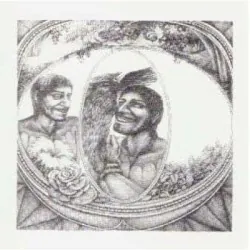 In a Land of Clear Colours 1979Ambient 1: Music for Airports 1979
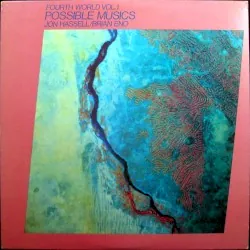 Fourth World, Vol. 1: Possible Musics 1980
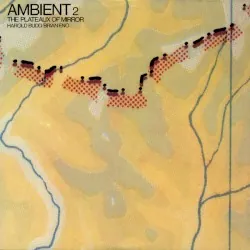 Ambient 2: The Plateaux of Mirror 1980
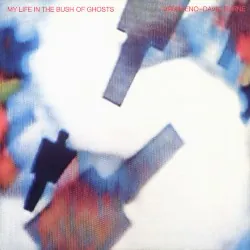 My Life in the Bush of Ghosts 1981
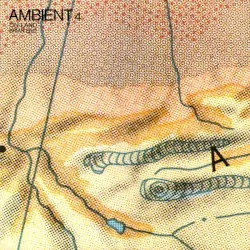 Ambient 4: On Land 1982
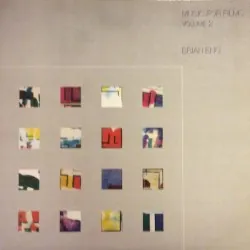 Music for Films, Volume 2 1983
 Apollo: Atmospheres & Soundtracks 1983
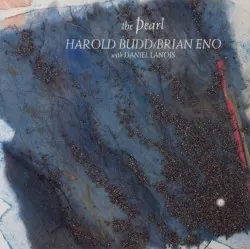 The Pearl 1984
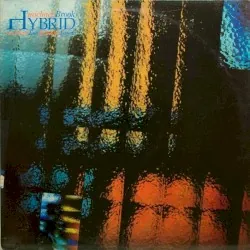 Hybrid 1985
 Thursday Afternoon 1985
 Textures 1989
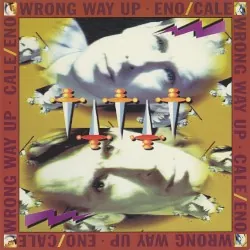 Wrong Way Up 1990
 My Squelchy Life 1991
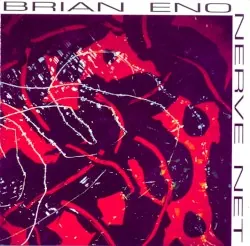 Nerve Net 1992
 The Shutov Assembly 1992
 Neroli 1993
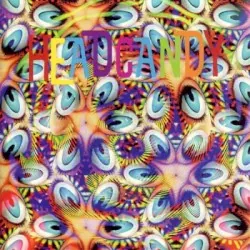 Headcandy 1994
 Spinner 1995
 Generative Music I 1996
 Music for White Cube: London, 1997 1997Contra 1.2 1997
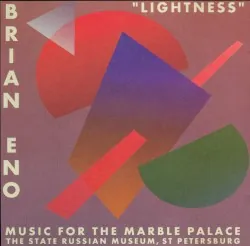 “Lightness”: Music for the Marble Palace 1997
 The Drop 1997
 I dormienti 1999
 Music for Civic Recovery Centre 2000
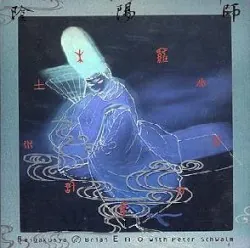 Music for 陰陽師 2000
 Music for Prague 2001
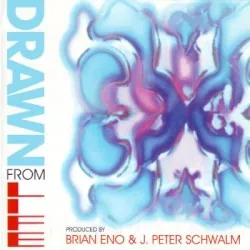 Drawn From Life 2001
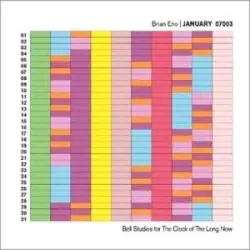 January 07003: Bell Studies for the Clock of the Long Now 2003
 Curiosities, Volume I 2003
 Curiosities, Volume II 2004
 14 Video Paintings 2005
 Another Day on Earth 2005
 77 Million 2006
 Everything That Happens Will Happen Today 2008
 Making Space 2010
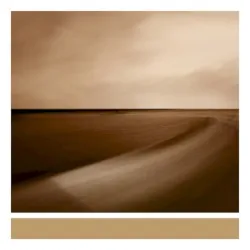 Small Craft on a Milk Sea 2010
 Drums Between the Bells 2011
 LUX 2012
 Someday World 2014
 High Life 2014
 The Ship 2016
 Reflection 2017
 Sisters 2017
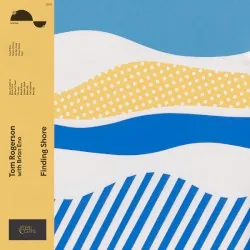 Finding Shore 2017
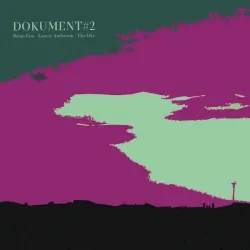 Dokument #2 2020
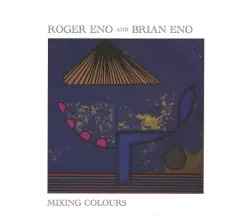 Mixing Colours 2020
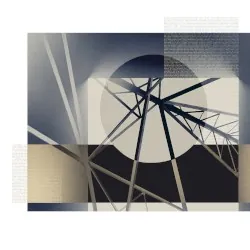 FOREVERANDEVERNOMORE 2022
 Discreet Music / Music for Airports / Thursday Afternoon 2023
 Secret Life 2023
 Aurum 2025
 Lateral 2025
 Luminal 2025
 Liminal 2025
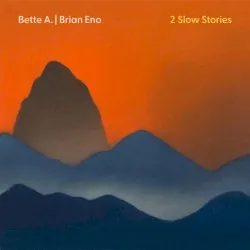 2 Slow Stories 2026
Discography
Official studio albums and EPs.
- 20262 Slow StoriesAlbum
- 2025LiminalAlbum
- 2025LateralAlbum
- 2025LuminalAlbum
- 2025AurumAlbum
- 2024Gorgeous NightEP
- 2024Soft EdgesEP
- 2024A Rather Deep LevelEP
- 2024Eno: Drawings in a NotebookEP
- 2023Surbahar Sleeping MusicEP
- 2023I dormientiEP
- 2023Chamber LightnessEP
- 2023The Ship EPEP
- 2023Flower BellsEP
- 202377 Million PaintingsEP
- 2023Five Light PaintingsEP
- 2023The Ritan BellsEP
- 2023KazakhstanEP
- 2023Secret LifeAlbum
- 2023Discreet Music / Music for Airports / Thursday AfternoonAlbum
- 2023Making Gardens Out of Silence in the Uncanny ValleyEP
- 2023Small CraftEP
- 2022FOREVERANDEVERNOMOREAlbum
- 2020Film Music: Crime PaysEP
- 2020LuminousEP
- 2020Mixing ColoursAlbum
- 2020Dokument #2Album
- 2017Finding ShoreAlbum
- 2017SistersAlbum
- 2017ReflectionAlbum
- 2016The ShipAlbum
- 2014High LifeAlbum
- 2014Someday WorldAlbum
- 2012LUXAlbum
- 2011Panic of LookingEP
- 2011Drums Between the BellsAlbum
- 2010Small Craft on a Milk SeaAlbum
- 2010Making SpaceAlbum
- 2008Everything That Happens Will Happen TodayAlbum
- 200677 MillionAlbum
- 2005Another Day on EarthAlbum
- 200514 Video PaintingsAlbum
- 2004Curiosities, Volume IIAlbum
- 2003January 07003: Bell Studies for the Clock of the Long NowAlbum
- 2003Curiosities, Volume IAlbum
- 2001Drawn From LifeAlbum
- 2001Compact Forest ProposalEP
- 2001Music for PragueAlbum
- 2000Music for 陰陽師Album
- 2000Music for Civic Recovery CentreAlbum
- 1999I dormientiAlbum
- 1999Kite StoriesEP
- 1998A YearEP
- 1997The DropAlbum
- 1997“Lightness”: Music for the Marble PalaceAlbum
- 1997Music for White Cube: London, 1997Album
- 1997Contra 1.2Album
- 1996Generative Music IAlbum
- 1995SpinnerAlbum
- 1994HeadcandyAlbum
- 1993NeroliAlbum
- 1992The Shutov AssemblyAlbum
- 1992Nerve NetAlbum
- 1991My Squelchy LifeAlbum
- 1990Wrong Way UpAlbum
- 1989TexturesAlbum
- 1989Another Green WorldEP
- 1985Thursday AfternoonAlbum
- 1985HybridAlbum
- 1984The PearlAlbum
- 1983Apollo: Atmospheres & SoundtracksAlbum
- 1983Music for Films, Volume 2Album
- 1983RaritiesEP
- 1982Ambient 4: On LandAlbum
- 1981My Life in the Bush of GhostsAlbum
- 1980Ambient 2: The Plateaux of MirrorAlbum
- 1980Fourth World, Vol. 1: Possible MusicsAlbum
- 1979Ambient 1: Music for AirportsAlbum
- 1979In a Land of Clear ColoursAlbum
- 1978Music for FilmsAlbum
- 1978After the HeatAlbum
- 1977Before and After ScienceAlbum
- 1977Cluster & EnoAlbum
- 1975Discreet MusicAlbum
- 1975Another Green WorldAlbum
- 1974Taking Tiger Mountain (by Strategy)Album
- 1974Here Come the Warm JetsAlbum
Latest news
No news stories yet.