
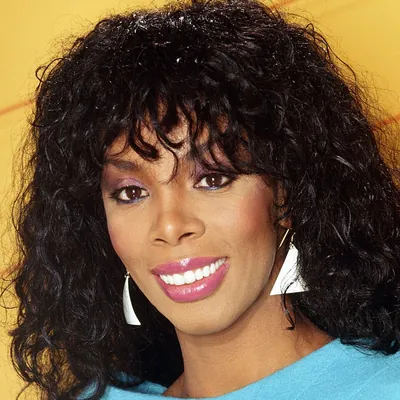
Photo: Harry Langdon., Public domain, via Wikimedia Commons.
Donna Summer
Donna Summer was a singer from Boston who became the voice of disco without ever being just a disco singer. She was working in theatre in Germany when she connected with producer Giorgio Moroder, and together they made records like "Love to Love You Baby" and "I Feel Love" — the latter built almost entirely on synthesizers, and still a blueprint for electronic dance music. Through the late seventies she kept turning out hits, from "Last Dance" to "Hot Stuff," with a voice that could be sultry, playful, or full-throated gospel power depending on the song.
Start here
Bad Girls (1979). Her biggest album and the best single place to hear her range. It has the defiant title track, the rock-leaning "Hot Stuff," and the slow-burning "Dim All the Lights," which she wrote herself.
Biography
Donna Adrian Gaines (December 31, 1948 – May 17, 2012), known professionally as Donna Summer, was an American singer and songwriter. She gained prominence during the disco era of the 1970s and became known as the "Queen of Disco", while her music gained a global following.
Born and raised in Boston, Summer dropped out of high school before graduating and began her career as the lead singer of a blues rock band named Crow and moved to New York City. In 1968, she joined the German production of the musical Hair in Munich, where she spent several years acting, and singing. There, she met music producers Giorgio Moroder and Pete Bellotte, and recorded her first album, Lady of the Night, released in 1974 only to the European market. Following the recording and European release of the groundbreaking disco anthem, "Love to Love You Baby", she signed with Casablanca Records in 1975, where it was released in North America. In the US, the single became her first top five hit on the Billboard Hot 100, peaking at number 2 in 1976.
From Wikipedia, licensed under CC BY-SA. Read the full article.
Studio albums
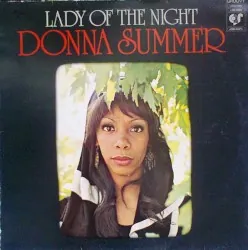 Lady of the Night 1974
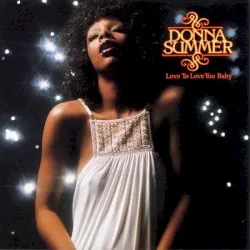 Love to Love You Baby 1975
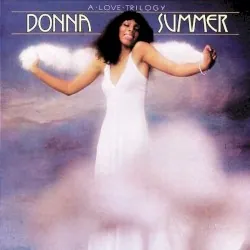 A Love Trilogy 1976
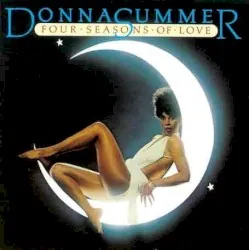 Four Seasons of Love 1976
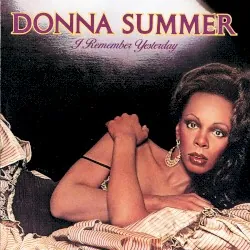 I Remember Yesterday 1977
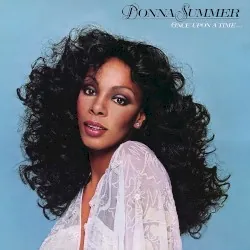 Once Upon a Time… 1977
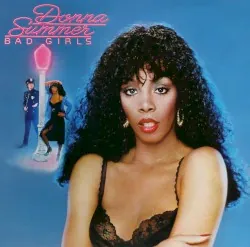 Bad Girls 1979
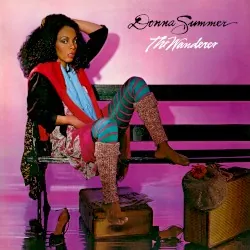 The Wanderer 1980
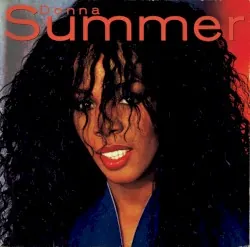 Donna Summer 1982
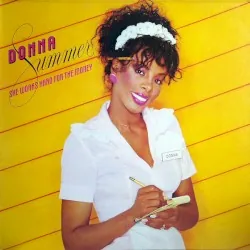 She Works Hard for the Money 1983
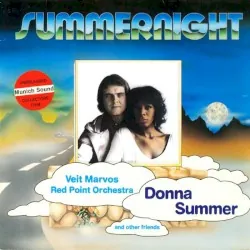 Summernight 1984
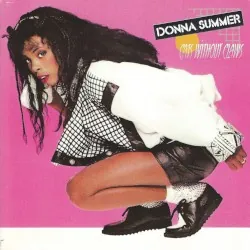 Cats Without Claws 1984
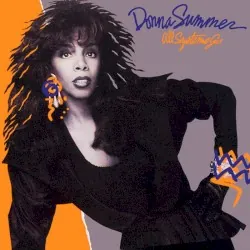 All Systems Go 1987
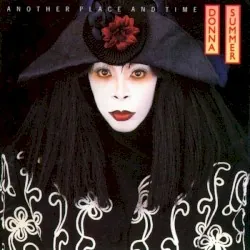 Another Place and Time 1989
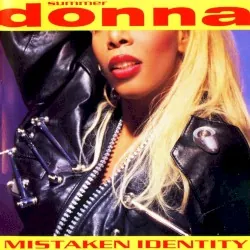 Mistaken Identity 1991
 Christmas Spirit 1994
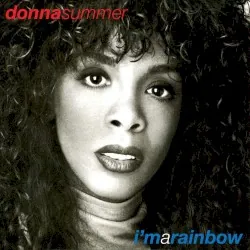 I’m a Rainbow 1996
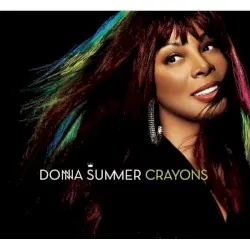 Crayons 2008
Discography
Official studio albums and EPs.
- 2008CrayonsAlbum
- 1996I’m a RainbowAlbum
- 1994Christmas SpiritAlbum
- 1991Mistaken IdentityAlbum
- 1989Another Place and TimeAlbum
- 1987All Systems GoAlbum
- 1984Cats Without ClawsAlbum
- 1984SummernightAlbum
- 1983She Works Hard for the MoneyAlbum
- 1982Donna SummerAlbum
- 1980The WandererAlbum
- 1979Bad GirlsAlbum
- 1977Once Upon a Time…Album
- 1977I Remember YesterdayAlbum
- 1976Four Seasons of LoveAlbum
- 1976A Love TrilogyAlbum
- 1975Love to Love You BabyAlbum
- 1974Lady of the NightAlbum
Latest news
No news stories yet.