
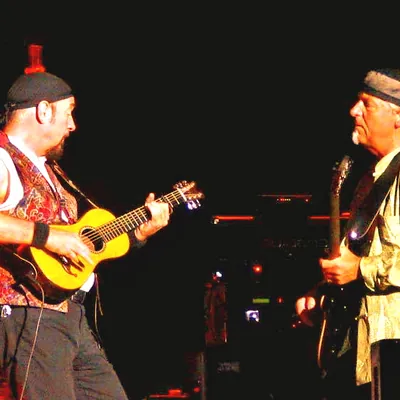
Photo: Snafje at Dutch Wikipedia, Public domain, via Wikimedia Commons.
Jethro Tull
Jethro Tull came out of Luton in the late 1960s with an idea nobody else was trying: a rock band fronted by a flute. Ian Anderson played it standing on one leg, and between his flute and Martin Barre's guitar the band moved from bluesy beginnings through hard rock and into English folk, writing songs like "Aqualung," "Locomotive Breath," and the album-length "Thick as a Brick" along the way. Few bands have worn so many styles so comfortably, and their mix of acoustic folk and heavy rock is still easy to hear in later prog and folk-rock.
Start here
Aqualung (1971). Their best-known record, and the clearest picture of what they do — heavy riffs next to quiet acoustic songs, with Anderson's flute over everything. "Aqualung," "Cross-Eyed Mary," "Locomotive Breath," and "Mother Goose" are all here.
Biography
Jethro Tull are a British rock band formed in Blackpool, Lancashire, in 1967. Emerging from the 1960s British blues scene, the band soon developed a distinctive progressive rock sound, blending hard rock, English folk music and classical music, while undergoing numerous stylistic shifts throughout its history. The band was founded and has been continuously led by Ian Anderson, its principal composer, lead vocalist, and multi-instrumentalist best known for his flute playing. The group has featured a succession of musicians throughout its history, including significant contributors such as long-time guitarist Martin Barre, bassists Glenn Cornick, Jeffrey Hammond, John Glascock, Dave Pegg and Jonathan Noyce, drummers Clive Bunker, Barrie "Barriemore" Barlow and Doane Perry, and keyboardists John Evan, Dee Palmer, Peter-John Vettese and Andrew Giddings.
After gaining attention on the London club circuit, Jethro Tull released their debut album This Was in 1968. After a key line-up change which saw original guitarist Mick Abrahams replaced by Barre, the band achieved their first major success the following year with their folk-influenced second album Stand Up, which reached No.
From Wikipedia, licensed under CC BY-SA. Read the full article.
Studio albums
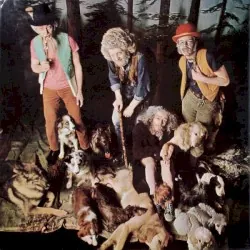 This Was 1968
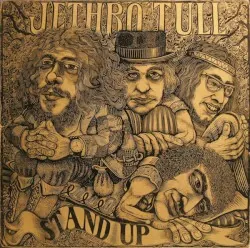 Stand Up 1969
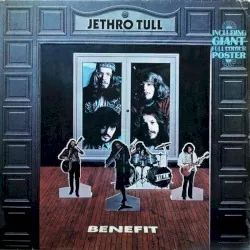 Benefit 1970
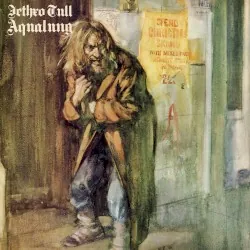 Aqualung 1971
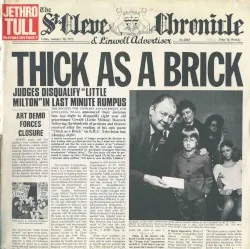 Thick as a Brick 1972
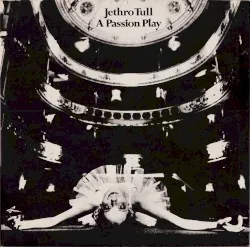 A Passion Play 1973
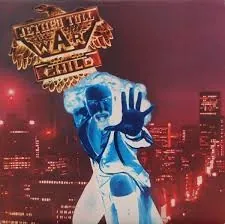 WarChild 1974
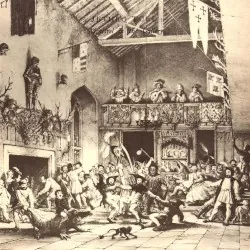 Minstrel in the Gallery 1975
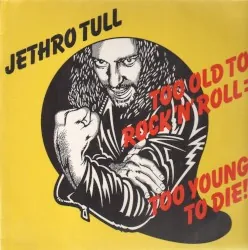 Too Old to Rock ’n’ Roll: Too Young to Die! 1976
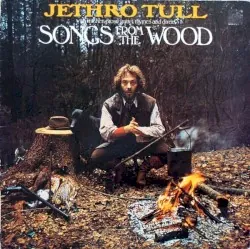 Songs From the Wood 1977
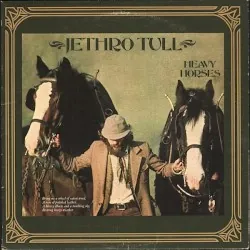 Heavy Horses 1978
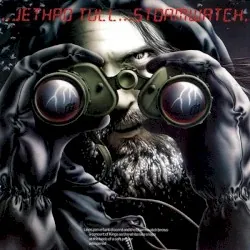 Stormwatch 1979
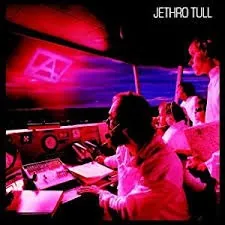 A 1980
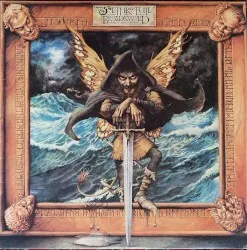 The Broadsword and the Beast 1982
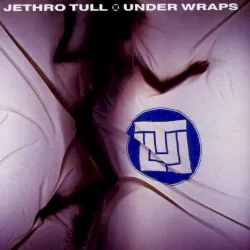 Under Wraps 1984
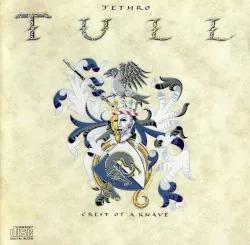 Crest of a Knave 1987
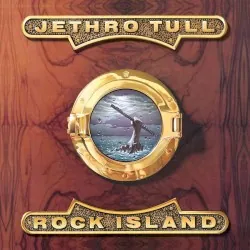 Rock Island 1989
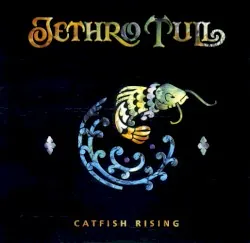 Catfish Rising 1991
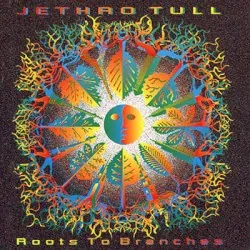 Roots to Branches 1995
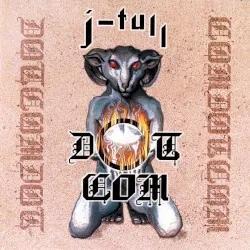 J-Tull Dot Com 1999
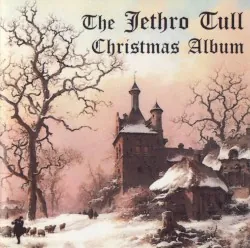 The Jethro Tull Christmas Album 2003
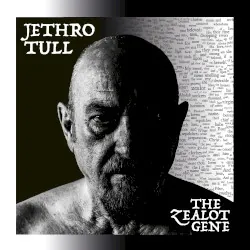 The Zealot Gene 2022
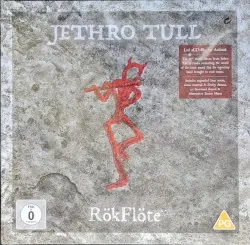 RökFlöte 2023
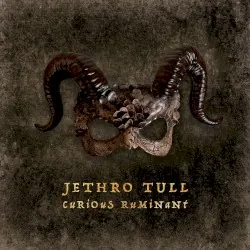 Curious Ruminant 2025
Discography
Official studio albums and EPs.
- 2025Curious RuminantAlbum
- 2023RökFlöteAlbum
- 2022The Zealot GeneAlbum
- 2013Living in the PastEP
- 2004Ring Out Solstice BellsEP
- 2003The Jethro Tull Christmas AlbumAlbum
- 1999J-Tull Dot ComAlbum
- 1995Roots to BranchesAlbum
- 1991Catfish RisingAlbum
- 1989Rock IslandAlbum
- 1987Crest of a KnaveAlbum
- 1984Under WrapsAlbum
- 1982The Broadsword and the BeastAlbum
- 1980AAlbum
- 1979StormwatchAlbum
- 1978Heavy HorsesAlbum
- 1977Songs From the WoodAlbum
- 1976Too Old to Rock ’n’ Roll: Too Young to Die!Album
- 1976Ring Out, Solstice BellsEP
- 1975Minstrel in the GalleryAlbum
- 1974WarChildAlbum
- 1973A Passion PlayAlbum
- 1972Thick as a BrickAlbum
- 1971AqualungAlbum
- 1971Life Is a Long SongEP
- 1970BenefitAlbum
- 1969Stand UpAlbum
- 1968This WasAlbum
Latest news
No news stories yet.