
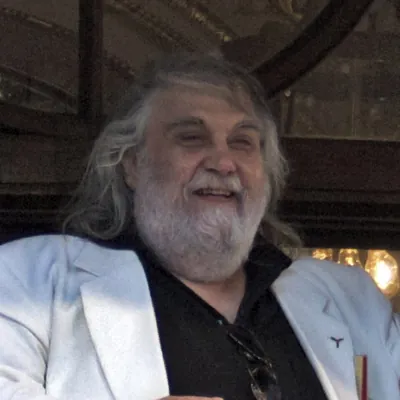
Photo: Ian Patterson, CC BY 2.0, via Wikimedia Commons.
Vangelis was born Evángelos Papathanassíou in Volos, Greece, and taught himself to play keyboards as a boy, going on to make music without ever learning to read it. He's best known for two film scores that became part of the culture: the triumphant electronic theme from Chariots of Fire (1981), which won him an Academy Award, and the brooding synth-and-saxophone world of Blade Runner (1982). Long before Hollywood called, he was a pioneer of the synthesizer, building lush, orchestral records out of machines at a time when most rock musicians barely touched them.
Start here
Heaven and Hell (1975). This was his breakthrough solo album and the record that made his name outside Greece, built around the sweeping, side-long "Heaven and Hell" suite. Music from the album became famous as the theme for the TV series Cosmos, so even first-time listeners will likely recognize it.
Biography
Evangelos Odysseas Papathanassiou (Greek: Ευάγγελος Οδυσσέας Παπαθανασίου, pronounced [eˈvaɲɟelos oðiˈseas papaθanaˈsi.u]; 29 March 1943 – 17 May 2022), mainly known professionally as Vangelis ( vang-GHEL-iss; Greek: Βαγγέλης, pronounced [vaɲˈɟelis]; also credited as Vangelis Papathanassiou), was a Greek composer, arranger, performer and record producer. He released material of wide musical genres such as electronic music, progressive rock, ambient, and classical orchestral music. He is primarily known for his film scores, composing the Academy Award-winning score to Chariots of Fire (1981), as well as composing the scores of (among many) Blade Runner (1982), Missing (1982), Antarctica (1983), The Bounty (1984), 1492: Conquest of Paradise (1992), and Alexander (2004), and the 1980 PBS documentary series Cosmos: A Personal Voyage by Carl Sagan.
Born in Agria and raised in Athens, Vangelis began his career in the 1960s as a member of the rock bands the Forminx and Aphrodite's Child; the latter's album 666 (1972) is recognised as a progressive-psychedelic rock classic.
From Wikipedia, licensed under CC BY-SA. Read the full article.
Studio albums
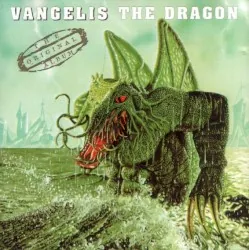 The Dragon 1971
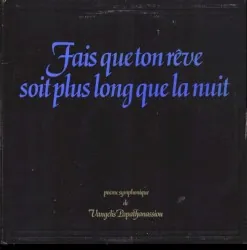 Fais que ton rêve soit plus long que la nuit 1972
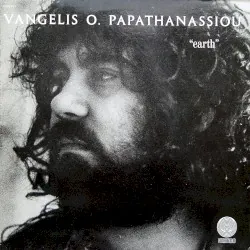 Earth 1973
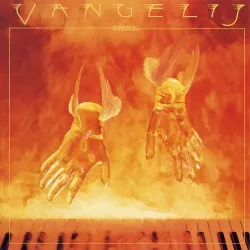 Heaven and Hell 1975
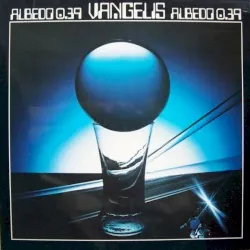 Albedo 0.39 1976
 Spiral 1977
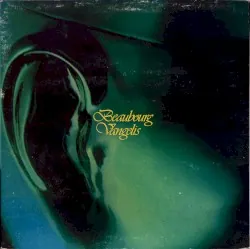 Beaubourg 1978
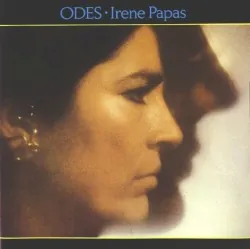 Odes 1979
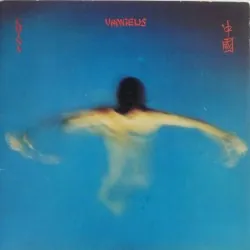 China 1979
 See You Later 1980
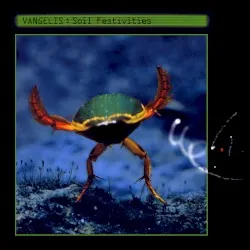 Soil Festivities 1984
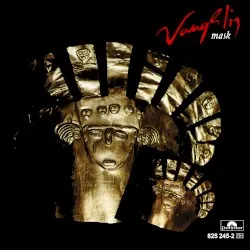 Mask 1985
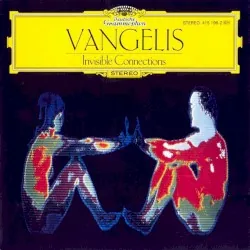 Invisible Connections 1985
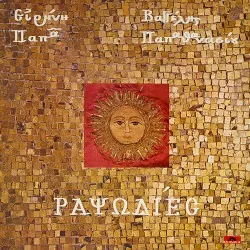 Rapsodies 1986
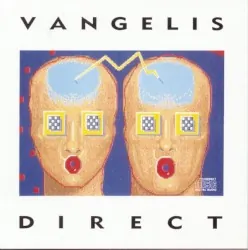 Direct 1988
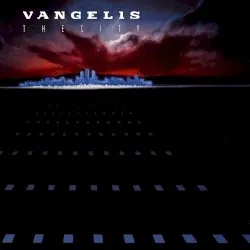 The City 1990
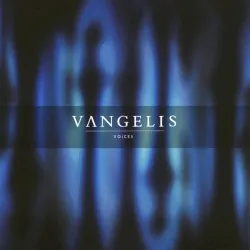 Voices 1995
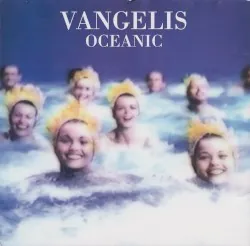 Oceanic 1996
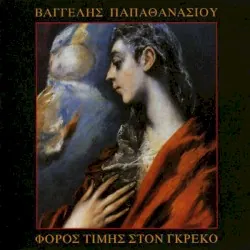 El Greco 1998
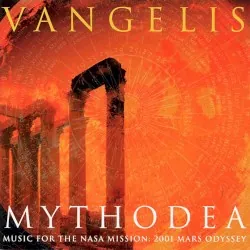 Mythodea: Music for the NASA Mission: 2001 Mars Odyssey 2001
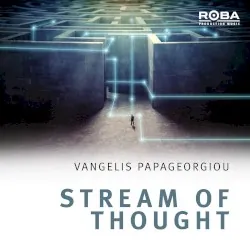 Stream Of Thought 2014
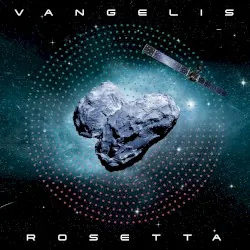 Rosetta 2016
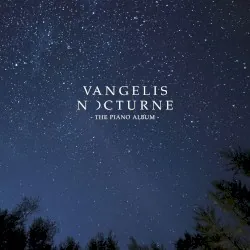 Nocturne: The Piano Album 2019
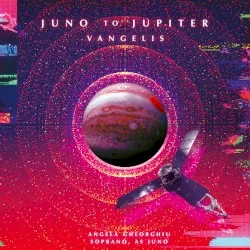 Juno to Jupiter 2021
 Classic Soundtracks 2025
Discography
Official studio albums and EPs.
- 2025Classic SoundtracksAlbum
- 2021Juno to JupiterAlbum
- 2019Nocturne: The Piano AlbumAlbum
- 2016RosettaAlbum
- 2014Stream Of ThoughtAlbum
- 2009Who Killed The Dragon? (The BYG Sessions)EP
- 2001Mythodea: Music for the NASA Mission: 2001 Mars OdysseyAlbum
- 1998El GrecoAlbum
- 1996OceanicAlbum
- 1995VoicesAlbum
- 1990The CityAlbum
- 1988DirectAlbum
- 1986RapsodiesAlbum
- 1985MaskAlbum
- 1985Invisible ConnectionsAlbum
- 1984Silent PortraitsEP
- 1984Soil FestivitiesAlbum
- 1980See You LaterAlbum
- 1979OdesAlbum
- 1979ChinaAlbum
- 1978BeaubourgAlbum
- 1977SpiralAlbum
- 1976Albedo 0.39Album
- 1975Heaven and HellAlbum
- 1973EarthAlbum
- 1972Fais que ton rêve soit plus long que la nuitAlbum
- 1971The DragonAlbum
- 1966Β' Ράλλυ Αντίκα 1966EP
Latest news
No news stories yet.